

Choosing a recording studio isn’t just logistics. As Brian Eno put it: “If you had a sign above every studio door saying ‘This Studio is a Musical Instrument,’ it would make such a different approach to recording.” The room itself becomes part of your sound. The acoustic character of the space, the equipment in it, and the way all of it works together will shape how your drums resonate, how your strings breathe, how your band translates from performance to tape. That’s why finding the right studio is a creative decision, not just an administrative one.
The good news: there’s a studio that fits what you’re trying to do. You just need to ask the right questions.
Understand Your Session Type First
Before you start researching studios, be clear about what you’re actually recording. Are you tracking a full band or ensemble? Recording vocals or overdubs? Doing a mix session? This matters because it determines what resources you actually need — and a professional studio will want to know upfront so they can tell you honestly whether they’re the right fit.
A full band or ensemble tracking session requires a studio with a large live room and the ability to record a high channel count simultaneously. A vocal or overdub session has different requirements entirely. Understanding the difference saves money and avoids booking a space that’s either overkill or under-equipped.
Studios aren’t genre-specific by nature — but what’s been recorded there tells you something real about the room’s sound and the team’s sensibility. It’s not about finding a studio that “does your genre.” It’s about finding one whose capabilities and character match the work you’re bringing in. Describe your session in detail and ask for examples of similar work they’ve tracked. A good studio will steer you in the right direction.

Acoustics and the Sound of the Room
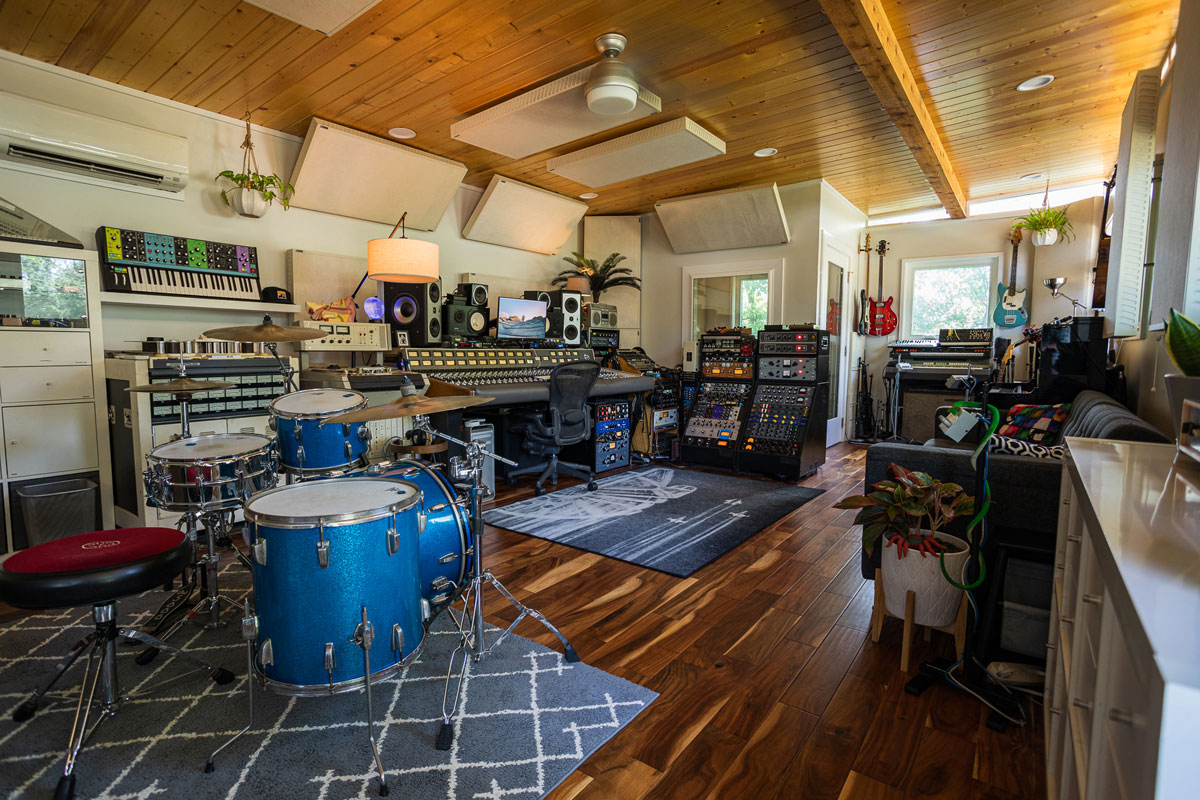
Every studio has an acoustic character. Some rooms are bright and live, with reflective surfaces that add presence and energy to what’s recorded in them. Others are dead and controlled, designed for precision and isolation. Some have a warm mid-range that flatters almost anything.
This matters most when you’re recording acoustic sources directly in the room — drums, strings, live instruments — where the space itself becomes part of the sound. If you’re tracking drums, the room’s acoustic character is one of the most important factors in your decision. If you’re tracking strings or a live ensemble, the same applies. Vocals, on the other hand, are typically recorded in a booth — a tighter, more controlled space — so the live room’s character is largely irrelevant for that.
When researching studios, ask for examples of projects with similar instrumentation that have been recorded there. Listen not to judge the mix, but to hear how the room itself sounds — how drums sit, how instruments breathe, whether there’s a natural character that serves your project. That’s more useful than any technical description of the acoustic treatment.
Studio Equipment and Facilities
Studio websites list impressive microphone lockers: vintage condensers, ribbon mics, sought-after preamps and outboard gear. That’s accurate — until something breaks. Professional studios, particularly those with vintage equipment, regularly send gear out for servicing and repair. A decades-old microphone is a remarkable tool, but it also needs maintenance.
When you contact a studio, ask what equipment is confirmed available on your specific session dates. If there’s a particular microphone, preamp, or outboard unit that’s central to your sound, mention it explicitly. The studio can confirm it’s available or suggest alternatives that will get you where you need to be.
For sessions requiring a high channel count — tracking a full band with multiple microphones across the kit, bass, guitars, and more — describe your session in full and ask whether they’ve handled similar recordings. A professional studio will tell you directly if their setup is suited to what you’re doing. If you’re unsure, ask for examples of comparable sessions they’ve tracked.
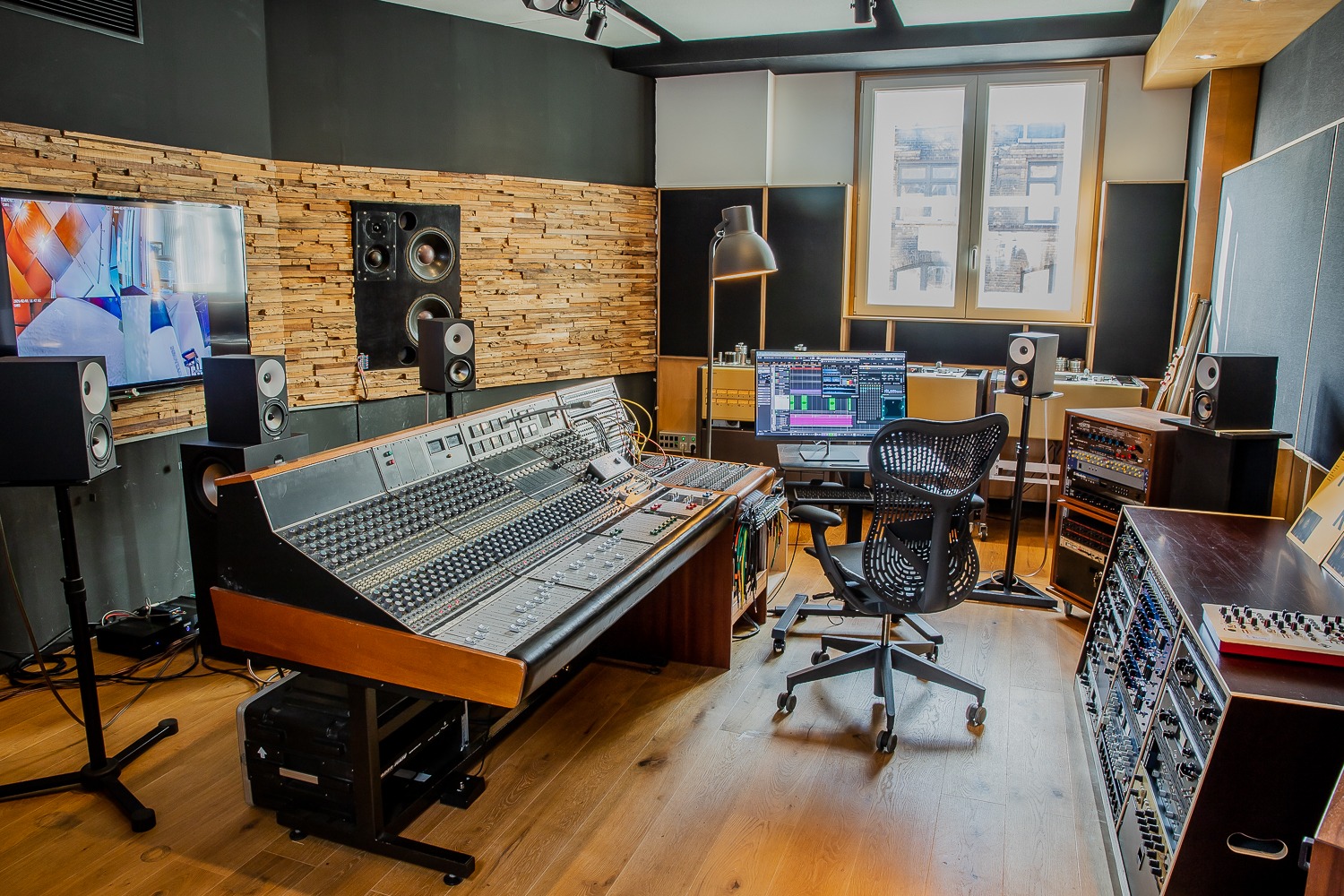
Studio Personnel and Expertise
The people in the room matter as much as the equipment. Recording is a craft, and every session — whether you’re tracking a full band or cutting vocals — benefits from an experienced engineer who knows what they’re doing.
Different studios structure their sessions differently. Some rates include an engineer throughout: setting up signal chains, managing the session, and making technical decisions in real time. Others include setup support only. For complex tracking sessions with multiple musicians or instruments, having both an engineer and an assistant who know the room is invaluable. They understand the sight lines, the mic placement options, the console workflow. If you’re bringing your own engineer, having an in-house assistant becomes even more important — they carry the local knowledge your engineer won’t have.
When you inquire about rates, ask specifically: Is an engineer included, or is the rate for room hire only? If an engineer is booked, they will be there for the full session — that’s the nature of the booking. The variable is usually the assistant: whether one is available throughout, or just for setup. If you’re bringing your own engineer, ask whether an in-house assistant can be arranged. Getting this clear upfront avoids confusion on the day.
Budget and Pricing
Studio rates vary widely — hourly rates, day rates, project rates, block rates. There’s no standard, and the price isn’t always a reliable guide to quality. Rather than avoiding the budget conversation, bring it up early.
A professional studio wants to help you make something great within your means. When you share your budget upfront, the studio can work with you: a shorter session, a different room within their facility, block rates across multiple days, or gaps in their schedule where they can slot you in at a better rate. You won’t discover these options unless you have an honest conversation. For a clearer picture of how studio rates are structured, see our guide to recording studio rates.
Location and Accessibility
One of the most overlooked considerations when choosing a studio: the logistics of actually getting there.
What’s the parking situation? Where’s the loading access? Is there a lift, or are you carrying gear up stairs? What time does the building allow access? Can you load in the night before a session? Arriving stressed because you spent twenty minutes circling the block for parking, or arriving flustered after hauling a drum kit up five flights of stairs, is a terrible way to start a creative session. Ask about logistics before you commit.
If you’re considering a residential studio, factor in what that environment does for your process. Being away from home, immersed in a dedicated creative space, works well for some artists and projects. For others, the familiarity of a local studio is worth more than a change of scenery. Neither is wrong — just be honest about which environment is likely to get the best out of you.
Booking and Studio Etiquette: Starting the Conversation Right
Studio etiquette doesn’t begin when you walk through the door — it starts with your first inquiry. How you approach that initial conversation sets the tone for everything that follows.
Be as detailed as possible about your session from the outset. What are you recording? How many people will be in the studio? What instrumentation are you bringing? What’s your timeline, and how many days are you looking to book? What budget are you working towards? The more information the studio has upfront, the better placed they are to serve you — and the more honest they can be about whether they’re the right fit.
This transparency is a form of professional respect. It allows the studio to allocate the right resources, confirm equipment and staff availability, and give you a realistic picture of what’s possible. If they’re not the right fit for your project, a good studio will tell you rather than take your booking and underdeliver.
For a full walkthrough of the booking process and what to expect, see our guide on how to book a recording studio session.
Finding the Right Studio
Choosing a studio means matching three things: the type of work you’re doing, the acoustic and technical resources you actually need, and the people running the space. Listen to what’s been recorded there. Ask specific questions about equipment, staff, and logistics. Be honest about your budget and your session. When all three elements align, you’ll know.
Ready to search? Book studio time on ProStudioTime and filter by location, room type, and session capability — then reach out with the questions above.
