
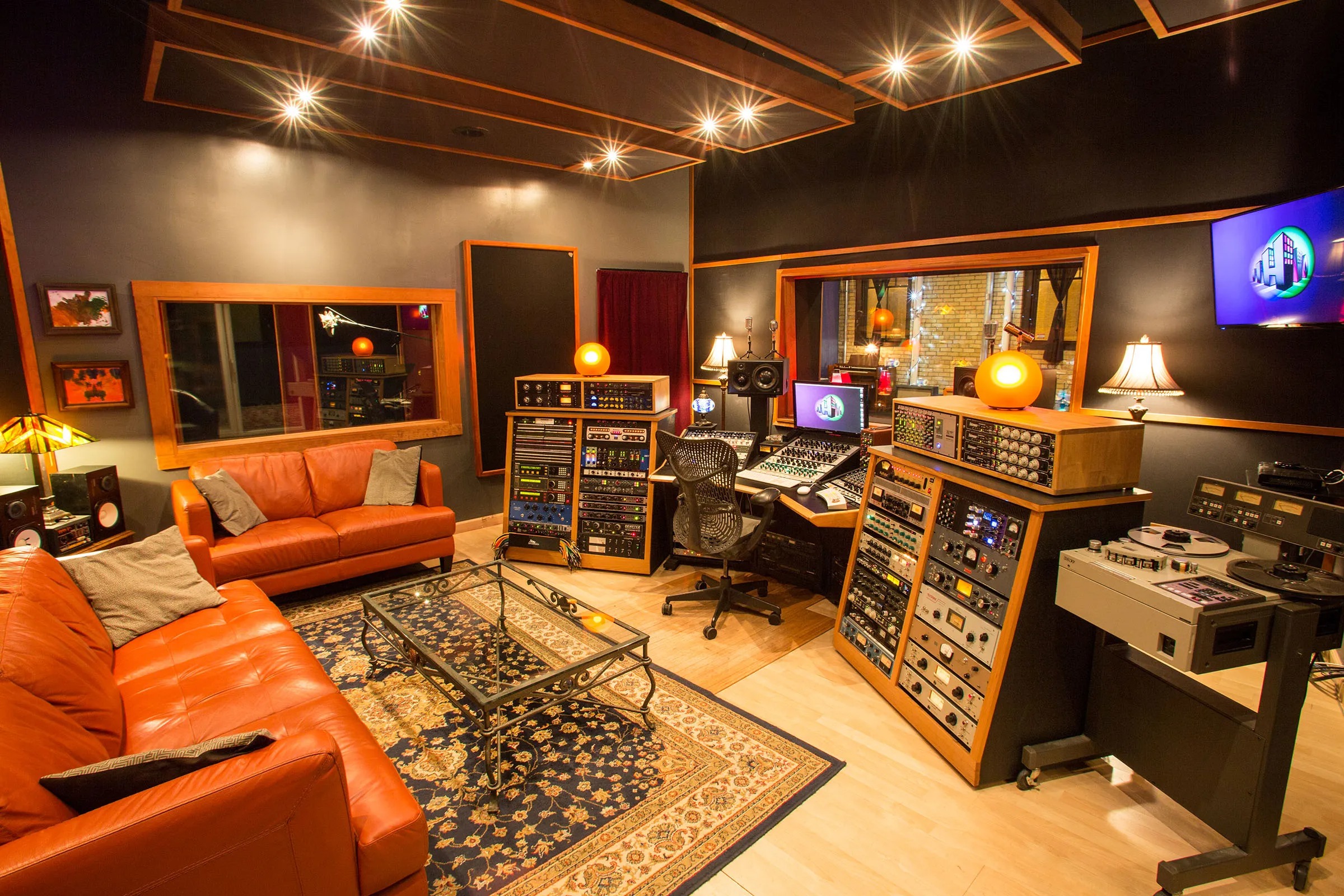
Studio time is expensive, and the clock starts whether you’re ready or not. Across sessions at every level—from independent artists tracking their debut single to major-label writing camps—the pattern is consistent. The artists who arrive prepared leave with work they’re proud of. Those who don’t can find themselves spending half their session tracking down a phone charger, re-downloading files, waiting for a forgotten cable to arrive, or trying to pull lyrics from an email thread.
This is not a generic packing list. It draws on the experience of connecting artists with professional studios worldwide through ProStudioTime, and from conversations with the engineers and producers who run those rooms. The following sections cover what to bring, why each item matters, and the practical details most guides overlook.
Personal Essentials
A recording session is a physical endurance event as much as a creative one. Sessions regularly stretch to eight or ten hours, and physical fatigue will affect the quality of a performance well before artistic ability becomes the limiting factor.
Water is non-negotiable
Bring a large, refillable bottle—not a single small plastic one. Studio air conditioning tends to run cold and dry, which dehydrates vocalists quickly and gradually tires everyone else. Room-temperature water is preferable to ice-cold for vocal health; this is standard advice from vocal coaches, and one that first-timers frequently disregard. Vocalists should also be mindful of what they eat and drink beforehand—anything that coats or irritates the throat will show up in the takes.
Figure out the food plan in advance
Establish the food plan before the session begins. Confirm in advance whether a proper break will be scheduled or whether musicians are expected to eat at their own discretion when not required. If ordering food on the day, research local options beforehand to avoid losing session time to delivery apps. Do not assume the studio runner will manage this—if the producer needs them for something else, catering becomes the artist’s responsibility, and the clock does not stop. Pay attention to snacks as well. Fruit, granola bars, nuts, and other light, healthy options are reliable studio staples precisely because they sustain energy without the crash that comes from sugar-heavy processed food.
Think about what you wear
Clothing choices are a matter of personal preference, and if dressing a certain way helps establish the right creative mindset, that is entirely valid. That said, studio air conditioning tends to cycle between cool and comfortable, so an extra layer is advisable regardless of the weather outside. Jewellery deserves consideration as well—microphones are sensitive, and jingling bracelets, clinking chains, or dangling earrings can bleed into takes or interfere with headphone seals. Where possible, prioritise comfortable, unrestrictive clothing and, above all, supportive footwear. On an eight-hour session, that last point alone can have a meaningful impact on performance.
Sleep matters too. Turning up tired usually shows in both the performance and the decision-making, so rest should be part of your session prep, not an afterthought.
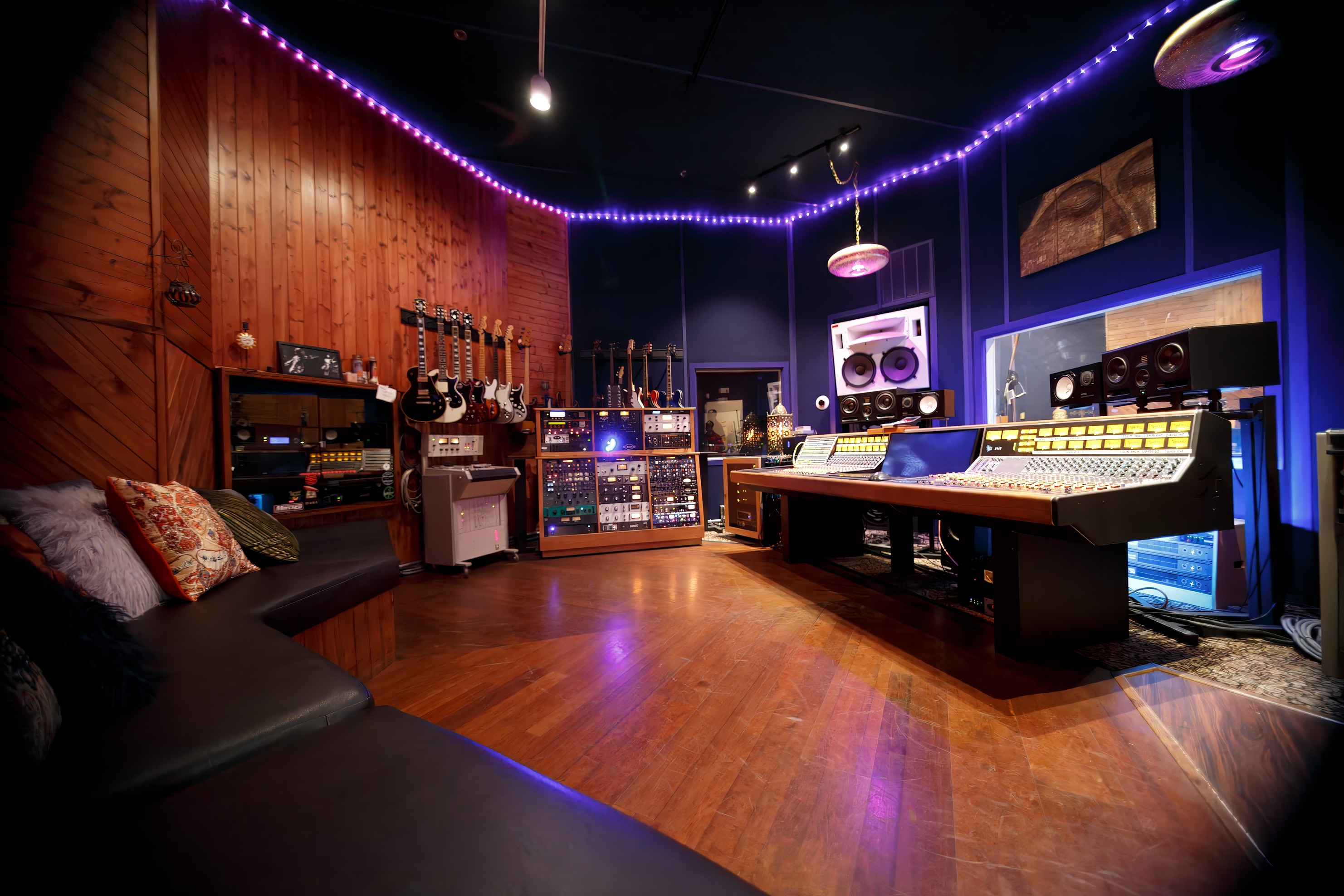
Gear and Accessories
Even in a studio with a world-class backline, personal instruments carry the advantage of familiarity. That relationship with your own gear matters considerably under the scrutiny of a studio microphone.
Check the condition of your instruments well before the session
Allow sufficient time to identify and address any issues. If guitar or bass strings are showing wear, consider restringing 24 to 48 hours in advance so the new strings have time to stretch and stabilise. Check intonation and action height. If an amplifier has been performing inconsistently, schedule servicing well in advance—weeks, not days. Drummers should inspect their heads and lubricate all moving parts, including kick pedals, hi-hat stands, and lugs, as condenser microphones will capture every squeak and rattle that the ear has learned to disregard in a rehearsal environment.
Bring backups of everything that can break or run out
Extra strings, picks in multiple thicknesses, sticks, brushes, mallets, batteries for active pickups and pedals, a spare instrument cable, and a tuner. A broken string mid-take is a minor inconvenience; not having a replacement transforms it into a significant delay. Experienced session musicians typically assemble a “studio survival kit” once and keep it permanently packed.
If you use a pedalboard, bring all your own power supplies and patch cables. Don’t assume the studio will have the right adapter for your rig. The same goes for headphone adapters—if you prefer your own in-ear monitors or headphones, bring a quarter-inch adapter as well, since most studio headphone amps use that connection.
One detail that separates experienced studio musicians from beginners: your signal chain is only as good as its weakest link. Routing a signal through vintage outboard gear via a cheap, unshielded instrument cable undermines everything downstream. Investing in quality cables and bringing them personally is a straightforward way to protect that investment.
Phone and laptop chargers should be packed as standard—and equally, remembered on the way out. Left-behind chargers and cables are among the most frequently lost items in professional studios.
Files and Reference Materials You Shouldn’t Forget
File management is where a surprising number of sessions lose time. The technical preparation may not be the most compelling part of the process, but arriving with everything in order is one of the highest-value things an artist can do for their budget.
Deliver your project files to the engineer at least 48 hours in advance
Arriving with a USB drive on the day and handing files over while the clock runs is one of the most common and most avoidable session mistakes. Sending materials in advance gives the engineer time to verify compatibility, configure the DAW session, and address any issues before studio time begins.
Make sure you’re working to a proper recording standard
Begin every session at a standard professional specification—typically 24-bit / 48kHz—and when working across multiple studios on a single project, confirm that the same bit depth and sample rate are used consistently. Mismatches create downstream complications that are easily avoided with a brief check at the outset.
Label everything like a stranger will need to find it
Files named “Audio_01.wav” or “New_Take_Final_FINAL” introduce unnecessary delay. Descriptive naming conventions—such as “Vocal_Lead_Main_v01” or “Gtr_Rhythm_L”—make navigation immediate. If not providing the full DAW project, supply consolidated stems so that every element begins at the same point in the timeline.
Don’t overthink the plugin situation
A commercial studio may not have every plugin used in a home setup, though in practice this is rarely a significant obstacle. Many artists bring a personal laptop and connect it directly to the studio’s system, bypassing the issue entirely. For longer sessions on an in-house rig, plugin installers can be brought along as a precaution. Even without either option, most competent engineers can achieve comparable results through alternative signal paths. This consideration should not drive plugin selection decisions—it is simply worth being aware of.
Lyrics, references, and session notes
Bring finalised lyrics in both printed and digital form—engineers and producers often follow along during tracking. Include notes on tempo, key, arrangement, and song structure. Reference tracks should always be prepared as well: recordings that represent the target sonic direction. These provide the engineer with a clear reference point for microphone selection and processing decisions before the session begins.
Storage and backup
For physical media, ensure the USB drive or external hard drive has at least 16 to 32 GB of free space—sessions generate substantial data quickly. It is also worth confirming in advance how the studio’s computers are formatted: a drive set up for Windows will not mount on a Mac without reformatting, and vice versa. Cloud backup via Google Drive, Dropbox, or a comparable service provides an additional safeguard; hardware failure is rare but not impossible, and a redundant copy eliminates the associated risk. For more on structuring your session files and workflow, check out our recording studio checklist.
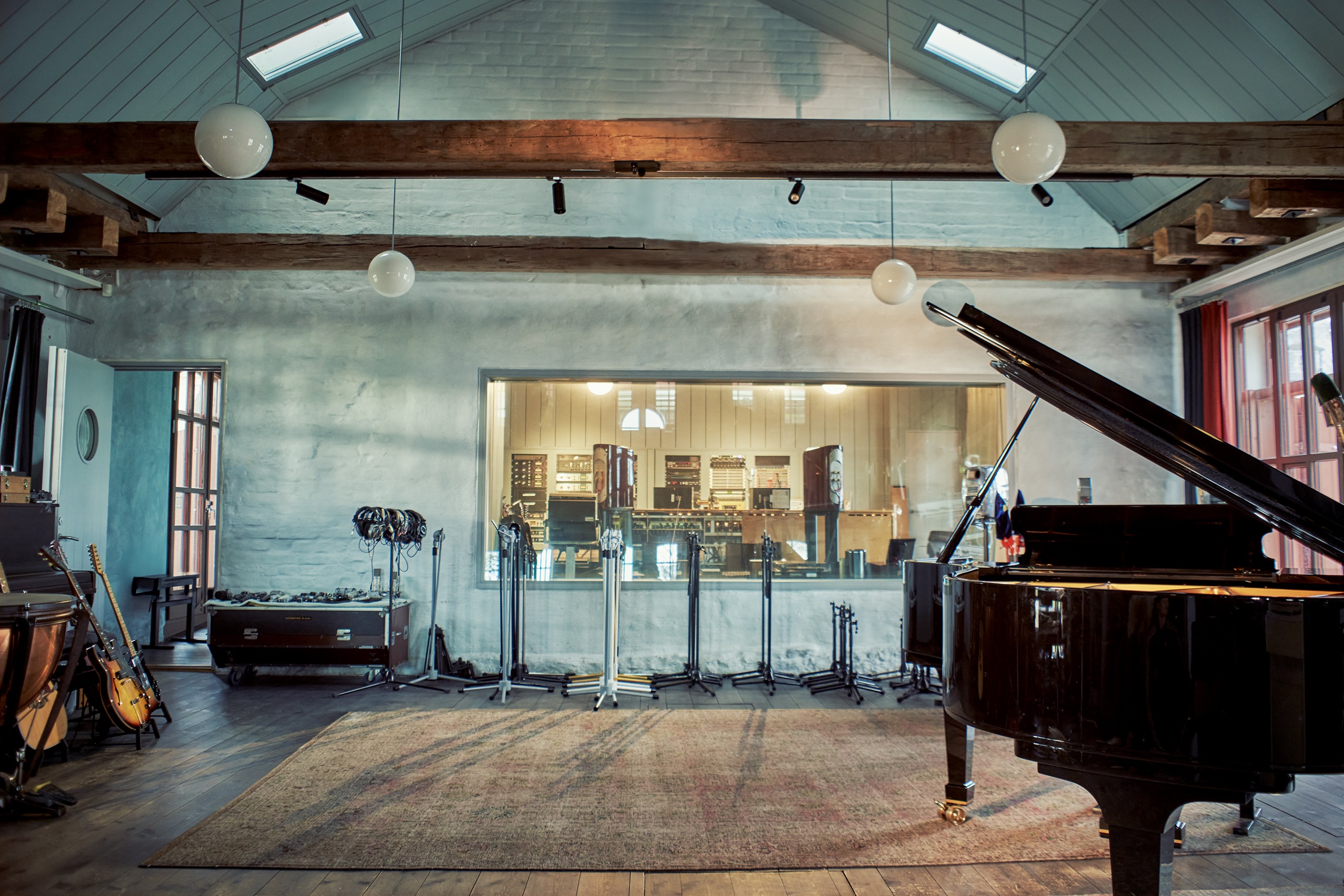
Optional but Useful Extras
These items are not strictly essential, but experienced studio professionals consistently recommend them.
A notebook or iPad for lyrics and notes
Even when working primarily from a screen, having a dedicated space to capture ideas during playback is valuable. Some studios discourage reading lyrics from a phone, as the screen can be distracting in a dimly lit room and scrolling mid-take introduces risk. A printed lyric sheet with space for handwritten annotations remains the simplest and most reliable approach.
Earplugs
Hearing protection is an item most packing guides overlook. In a room with a drummer at full intensity or a guitar amp at high volume, hearing is the most important instrument in the room—and the only one that cannot be replaced. Musician-grade earplugs are designed to reduce volume evenly without significant tonal distortion. Even a basic foam pair provides meaningful protection.
Additional items worth packing include a small cloth for wiping down instruments or hands, a pen and highlighter for marking up charts.
Know the Studio Before You Arrive
Most professional studios publish equipment lists, room specifications, and technical details on their website. Reading this before making contact is basic preparation—it means arriving with accurate expectations and avoids asking questions that are already answered. It also gives a clearer picture of what the room can actually do, which shapes everything from what gear to leave at home to how the session itself might be approached.
Once familiar with the spec, follow up directly to confirm anything the session depends on—even if it appears on the published list. Studios frequently operate gear as floating inventory: a microphone or outboard unit listed as part of the room can still be allocated to another session if no one has flagged a need for it. Fixed room equipment is more reliably available, but it is not immune to the same issue—if a piece of kit is not in use on a session, it is not uncommon for another room or engineer to borrow it. Unless you have specifically confirmed you need it, there is no reason for anyone to ensure it stays put. A brief exchange at the booking stage removes any ambiguity. While making contact, confirm the practical details too: which microphones and preamps are available, whether there is a usable backline, how many headphone sets the system accommodates, and whether stands, DI boxes, and common adapters are provided. For oversized equipment—a Leslie cabinet, a full drum kit, a Hammond organ—verify that the access route from the street to the live room can physically accommodate it. Sessions have been delayed by flight cases that could not navigate a building’s entrance.
This is also the appropriate time to confirm logistical details: parking arrangements, load-in procedures, building access, Wi-Fi availability, and the studio’s policy on food and drink in the control room. Addressing these points in advance prevents the low-level friction that can quietly undermine a creative session. For a detailed breakdown of what to confirm and how to communicate with your studio, take a look at our how to book a recording studio session guide.
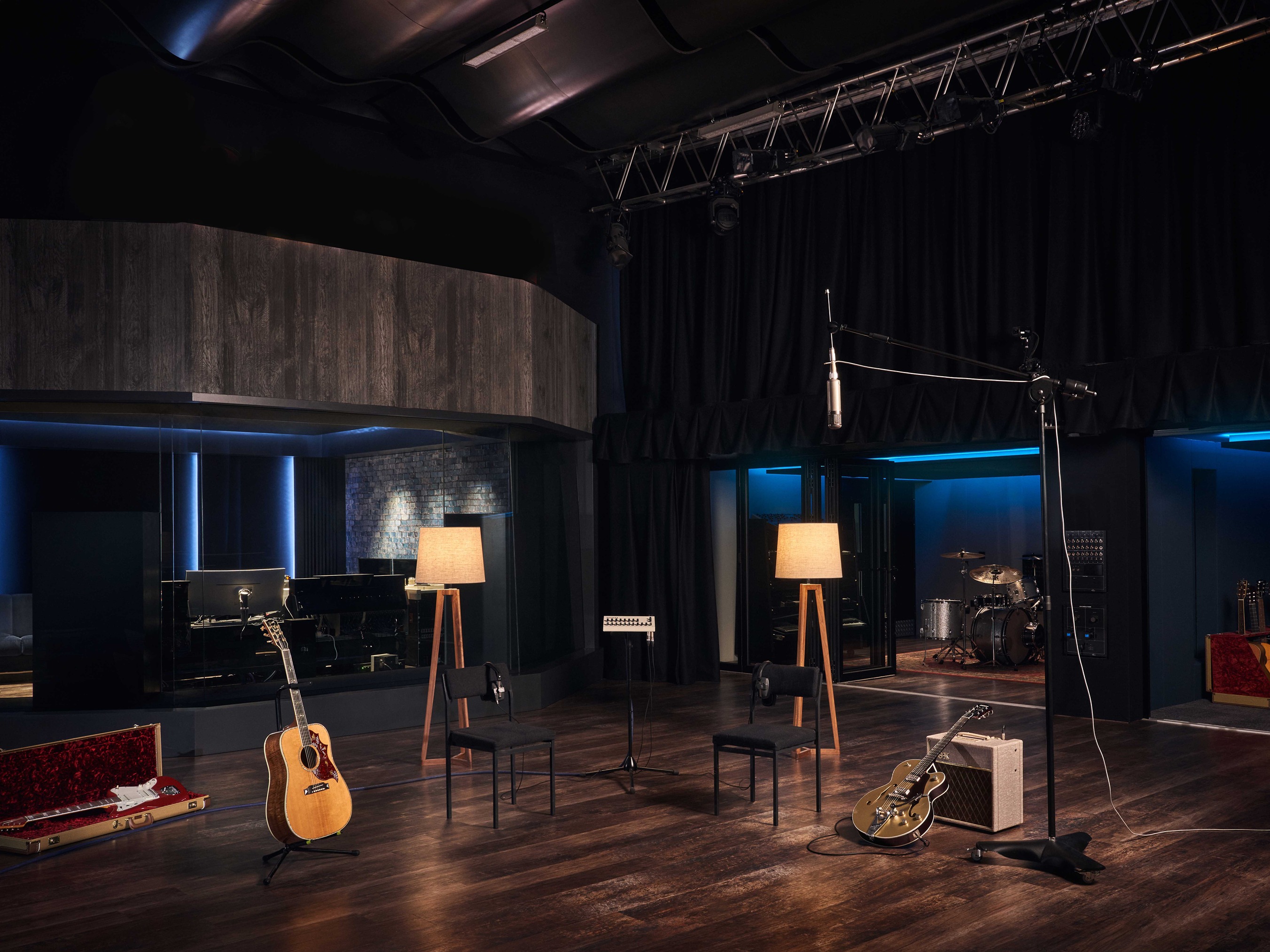
The One Thing You Can’t Pack: The Right Mindset
No guide to session preparation is complete without addressing the element that matters most and has no physical weight at all.
Arrive with parts rehearsed to the point where execution is automatic. The studio environment is unforgiving—microphones capture every hesitation, every unresolved transition, every moment of uncertainty. Artists who can deliver the core performance in a minimal number of takes free up significant time for the creative experimentation that distinguishes a memorable recording. Arriving still working through the arrangement when the session begins is one of the most expensive mistakes a musician can make.
When working with an engineer or producer for the first time, approach the session as a genuine collaboration. The most productive sessions are characterised by a clear chain of creative authority, open communication, and mutual respect. Establish in advance who holds final decision-making responsibility. Keep feedback concise, specific, and constructive—and reserve questions for between takes rather than during active recording.
And keep the guest list tight. The “entourage effect”—bringing friends or associates who have no direct role in the session—is a well-documented source of distraction in professional studios. As a general principle, limiting the control room to those with a clear creative function produces better outcomes.
Sessions don’t always move quickly, technical delays can happen, and great takes may take time. Staying calm and patient, with a prepared mindset, helps more than most people realize.
Recording Session Checklist: Quick Reference Summary
Here’s a concise checklist to help you prepare for a successful recording session:
- Personal Essentials: Water, snacks (fruit, granola bars), comfortable clothing, extra layers, supportive footwear.
- Gear & Instruments: Personal instruments (guitar, bass, drums), spare strings, picks, tuner, cables, headphones, laptop, chargers.
- Files & Materials: Finalised lyric sheets (printed & digital), reference tracks, session notes, project files (48 hours in advance).
- Collaboration: Confirm roles and attendees (producer, engineer, band members), set expectations for the session.
- Backup Plans: Extra cables, batteries, power supplies, adapters, and any gear you rely on.
- Comfort & Hospitality: Plan food ahead, make sure your environment is comfortable (temperature, breaks, etc.), and bring personal comfort items.
This quick checklist ensures you won’t forget anything essential, so you can focus on making great music!
For a deeper look at preparing yourself and your team for a smooth session from start to finish, read our full recording session guide.
Set Yourself Up to Make Great Music
Preparation is not about eliminating spontaneity—it is about creating the conditions in which it can flourish. When logistics are resolved in advance, attention is free to focus on what the session is ultimately for: the music. Fresh strings, organised files, a warm drink, a charged phone, and a clear plan may appear to be minor details in isolation. Together, they are often the difference between a session that labours and one that flows.
To find the perfect recording studio for your next project, book through ProStudioTime and get matched with a space that fits your sound, workflow, and budget.
